
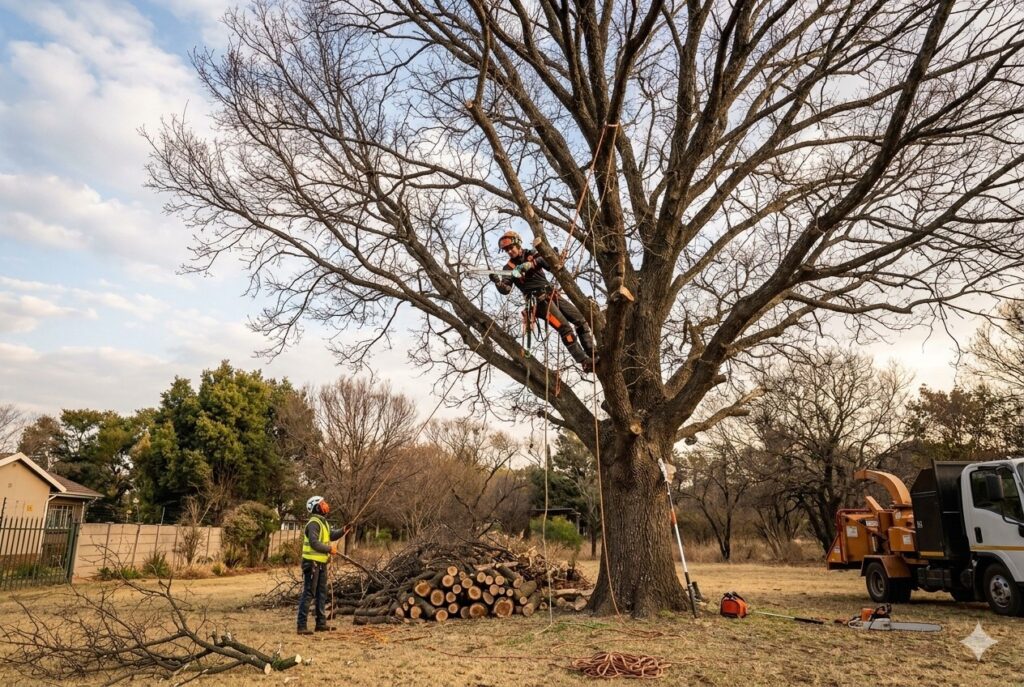
The optimal window for structural pruning on most large South African trees is late winter, specifically July and August. Pruning during this dormant period provides clear visibility of the tree framework.
It also minimizes sap loss and significantly reduces the risk of pest or disease infestation at the cut sites. This strategic timing ensures the tree is well-positioned for vigorous, healthy growth once the spring season begins.
Why Timing Matters: The Science of Tree Dormancy in South Africa
Understanding dormancy is essential for effective tree management, as this natural growth pause allows trees to conserve energy and survive adverse conditions. Pruning during this phase is ideal because energy reserves are safely stored in the roots, and minimal sap flow reduces the risk of stress or bleeding.
In South Africa, while deciduous trees enter a pronounced dormancy, indigenous evergreens experience a significant growth slowdown, requiring a nuanced approach based on the specific species and local climate.
Winter vs. Summer: When Should You Prune?
Aligning maintenance with the tree’s biological cycle ensures long-term health and safety:
- Winter Structural Correction: Late winter is ideal for major work on deciduous species. Dormant trees and bare canopies allow arborists to clearly identify and remove weak or dead wood.
- Biological Advantages of Dormancy: Pruning during cold months reduces tree stress and prevents sap bleeding common in maples or oaks. Dormant trees seal wounds effectively as growth resumes, making this the safest approach for crown lifting and thinning fruit trees.
- Summer Growth Management: Summer work focuses on directing energy toward fruit production or controlling the size of vigorous trees. Removing leafy branches helps curb excessive height by reducing photosynthetic capacity.
- Risks of Heavy Summer Pruning: Heavy cutting during summer heat can lead to bark sunburn and increased disease vulnerability.
Understanding these seasonal distinctions ensures every cut supports the tree’s natural imperatives. Professional timing is the key to maintaining a resilient and healthy landscape.
Tree-Specific Timing Guidelines
Peaches, plums, and apples are best pruned during winter dormancy between late June and August. This timing allows for structural correction to create an open framework, which is essential for sunlight penetration and fruit quality.
Young fruit trees require formative pruning to build a strong scaffold for future loads. Mature specimens should undergo maintenance every few years to manage size and remove crossing branches, facilitating easier harvesting and disease prevention.
Signs Your Large Tree Needs Immediate Attention
Ignoring these signs can lead to catastrophic failure, causing significant property damage or personal injury:
- Dead or Hanging Branches: Large dead limbs, particularly in the upper canopy, are a primary hazard.
- Deep Cracks or Splits in the Trunk: Vertical cracks that penetrate deep into the trunk are a serious sign of structural instability.
- Fungal Growth at the Base: The presence of fungi, like mushrooms or conks, on the trunk or near the roots is often a visible sign of internal decay.
- Sudden Leaning or Uplifted Roots: A sudden change in the lean of a tree or visible lifting of the soil and roots on one side indicates potential root failure.
- Canopy Dieback: If the upper canopy of the tree has numerous dead branches or is thinning out significantly while the lower branches remain leafy, it often points to root problems or systemic disease.
Recognizing these symptoms early allows you to address hidden dangers before the next major storm transforms a manageable defect into an emergency.
Safety and Technique for Large Tree Trimming
Trimming large trees is a high-risk operation that requires strict adherence to safety protocols and the use of specialized equipment. Professional standards, aligned with South African national qualifications, mandate expertise in rope access, aerial rescue, and precision cutting techniques, such as the three-cut method, to prevent bark damage and promote effective healing.
While tools like loppers and pole saws are used for smaller branches, accessing the main canopy requires advanced climbing gear or aerial lifts, along with certified chainsaw proficiency. By utilizing purpose-built, sharpened equipment and disciplined industry practices, you ensure the structural integrity of the tree while mitigating the severe risks of falls, power line contact, and property damage.
Let Power Tree Fellers Trim Your Tree
As the Lead Arborist, I ensure our solutions are designed for guaranteed performance and precision in the South African market. We do not offer generic advice; we provide technically sound interventions based on species, location, and your specific objectives.
A professional consultation is the only way to ensure your tree management strategy is compliant, safe, and effective for maximum utility and long-term asset health. Get a quote using the button below.
FAQs
When is the best month to prune trees in South Africa?
For most deciduous trees, the best months for significant pruning are July and August. This is the core of the dormant season when trees are least vulnerable to stress and disease, and the bare canopy allows for accurate structural work.
Is it better to trim trees in summer or winter?
Winter is superior for structural pruning as it promotes vigorous spring growth and minimises disease risk. Summer trimming is a secondary tool, used mainly to slow down the growth of overly dense trees or to remove hazardous branches that cannot wait.
Can I trim large trees myself, or should I hire a professional?
You should hire a professional for any work on large trees. The risks of working at height, handling heavy branches, and operating powerful equipment like chainsaws are substantial. Professionals are trained in safety protocols, possess the correct equipment, and can identify structural issues you might miss.